Concrete looks like it should last forever. It’s heavy, it’s hard, and it doesn’t cause problems. Until one day, it does. One day you’re walking across your driveway, and the next, you’re staring at a crack that wasn’t there yesterday. You might wonder if your house is falling apart or if it’s time to call in a concrete repair expert.
At Ogburn Concrete Leveling & Resurfacing, we’ve seen it all, and we know that cracking concrete isn’t just about age or wear. From shifting soil and water damage to thermal cracking and tree roots on a mission, there are real reasons behind why concrete cracks.
Let’s break down the top seven.
Why Does Concrete Crack? 7 Common Causes Of Concrete Cracking
1. Soil Settlement and Subgrade Movement
You can pour the most solid slab of concrete in the world, but if the ground underneath it decides to shift, buckle, or vanish, your slab’s going down with it. Concrete might be strong, but it’s not flexible. When soil settles unevenly, dries out, washes away, or shifts during an earthquake, it leaves your concrete hanging. And guess what? Concrete doesn’t hang; it deflects, and it cracks.
This type of subgrade movement is one of the most common causes of cracked driveways, patios, and sidewalks. Sometimes it’s from poor compaction during construction. Other times it’s Mother Nature, shifting the soil like a rug under your feet. Even minor seismic activity, tiny earthquakes most folks don’t feel, can stress your slab enough to cause cracking over time. So, if you’re wondering why your concrete is cracking even though it “looks fine,” the problem might be right beneath your boots.

2. Improper Curing and Normal Shrinkage Cracks
Here’s the truth nobody tells you: every slab of concrete shrinks. It’s not a flaw, it’s normal. As concrete cures, moisture leaves the mix. And when that water evaporates, the slab shrinks and can crack. Shrinkage or new concrete cracking might not take down a structure. But they can let water in, weaken the surface, and set the stage for bigger issues down the line.
According to the College of Engineering at Penn State, the structures most likely to experience concrete shrinkage cracking are floors, slabs, and pavements. And the rate and severity of that cracking? It depends on the type of concrete used and the surrounding temperature during curing. Let it dry too fast, and those cracks start forming before you’ve even cleaned your tools. That’s what folks call spider cracking in concrete, and it’s one of the most common sights in driveways, patios, and garage floors.
3. Water Damage and Poor Drainage
Water is sneaky. It doesn’t need permission to get where it wants to go, and when it goes under your concrete, it brings trouble with it. It softens the soil, causes erosion, and when winter hits, it freezes and expands like a can of soda left in the freezer. That kind of pressure blows apart concrete from the inside out. Doesn’t matter how strong the slab is, water always finds the weak spot.
Now throw in expansive soils, the kind that swell when wet and shrink when dry, and you’ve got a recipe for concrete chaos. That back-and-forth movement is brutal on slabs, especially in places like Virginia, where we see real seasonal swings. According to Britannica, parts of Virginia experience snowfall that can reach 30 inches in higher elevations, and yearly precipitation ranges from 32 to 44 inches. That much moisture, plus the freeze-thaw cycles it brings, is enough to crack even new concrete if drainage isn’t dialed in.
Want to prevent cracking concrete? Start by managing the water.

4. Temperature Changes
Concrete’s tough, but it doesn’t handle extreme temperature swings well, especially the kind we get here in Virginia. Hot, sticky summers followed by freezing winters cause slabs to expand and contract repeatedly.
That stress adds up. Eventually, you get what’s called thermal cracking in concrete, fractures caused by temperature changes. It’s a slow, silent process that shows up as random cracks across your driveway, patio, or walkway, and it’s all thanks to Virginia’s rollercoaster weather.
5. Tree Roots
Trees are great, until they start fighting your foundation and concrete slabs. Those roots creeping under your concrete don’t stop just because there’s a slab in the way. They grow slowly but, under relentless pressure, push up from below until the slab cracks, shifts, or lifts entirely.
It’s one of the sneakiest causes of cracking concrete, especially near sidewalks, patios, and driveways. What starts as a small bump becomes a trip hazard and a repair bill. In some cases, you’ll even see tree roots cracking the concrete foundation of a house. And once that happens, you’re not just fixing concrete, you’re dealing with structural damage. So if you’ve got big trees close to your slab, don’t ignore those raised corners or surface cracks. That’s nature sending a not-so-subtle message.

6. Heavy Loads and Impact Damage
Concrete’s tough, until it’s not. Park an RV, a dumpster, or a loaded delivery truck in the same spot too long, and you’ll start to see the limits. Even thick slabs can crack under pressure, especially in areas with minor flaws or those worn down by time and weather.
And it’s not just the weight; impact damage plays a role too. Dropping something heavy, like equipment or materials, can chip or fracture the surface, especially at the edges. These hits weaken the slab and can lead to bigger issues down the road. If you’ve spotted cracking concrete near your garage or driveway and you’ve had something big parked or dropped there, you’re looking at one of the more common concrete crack causes.
7. Lack of Control Joints and Improper Installation
Concrete doesn’t just crack; it reacts to external forces. And if it’s not given the proper setup from the start, it’s going to break somewhere along the way. That’s why control joints matter. These planned break points are designed to absorb stress from shrinkage and movement.
Improper installation adds fuel to the fire. Poor subgrade prep, bad mix ratios, or skipping key steps like curing and joint placement all lead to premature failure. If you’re seeing new concrete cracking far sooner than expected, chances are it wasn’t installed with long-term performance in mind. Cutting corners early on almost guarantees you’ll be dealing with cracking concrete down the line.

How to Prevent Concrete Cracking, and Protect Your Property
You can’t stop time, weather, or soil movement. But you can make sure your concrete doesn’t go down without a fight. Concrete cracking prevention isn’t complicated; it just takes the right tools and a little know-how.

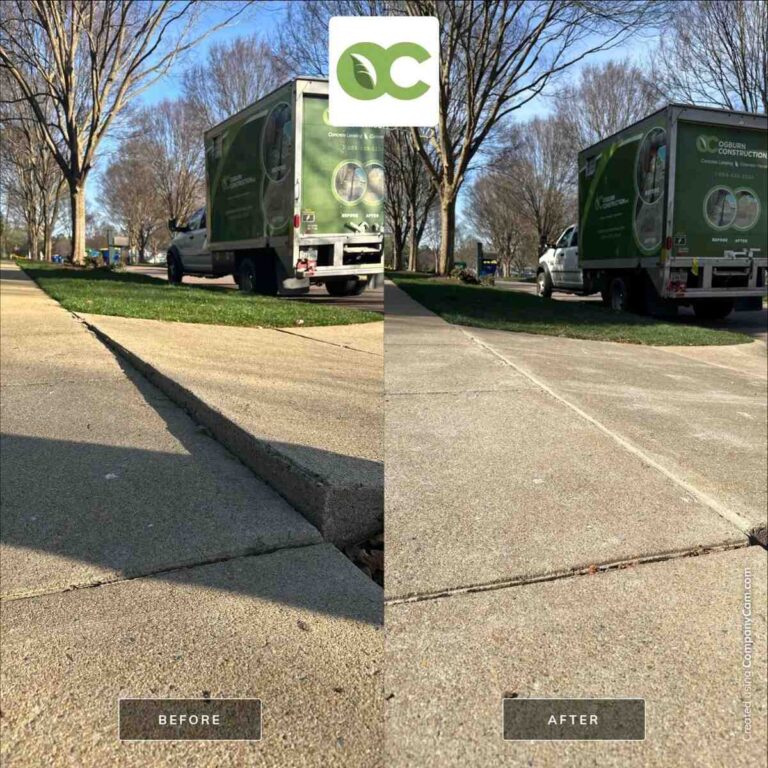
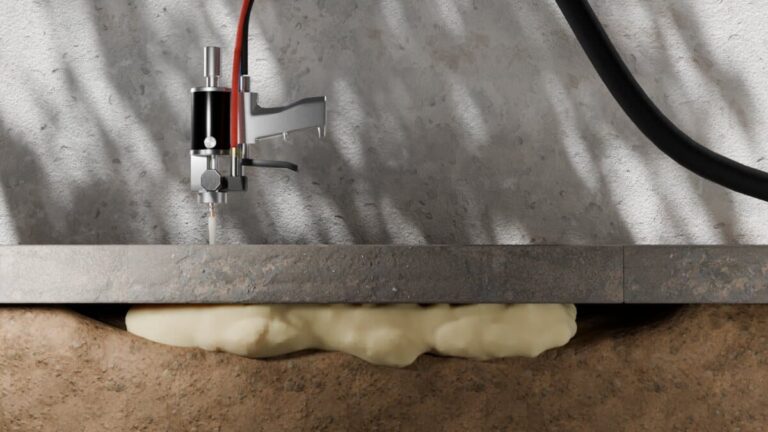
- Lift & Level with PolyLevel® Foam: If your concrete is sinking or uneven, don’t ignore it. That slab is already telling you the soil underneath is failing. PolyLevel® foam lifts it back into place and stabilizes the ground below, supporting up to 4,800 lbs per square foot and curing in just 15 minutes. It’s fast, permanent, and doesn’t make a mess.
- Seal Cracks with NexusPro®: Water is concrete’s worst enemy. Once it gets into cracks or joints, freeze-thaw cycles and erosion do the rest. NexusPro® is a flexible, UV-resistant silicone sealant that keeps moisture out and holds strong in all weather.
- Protect with SealantPro™: SealantPro™ penetrates deep and locks out water, oil, and salt. One application can extend the life of your concrete by 3–5 times. Think of it as sunscreen for your slab, except stronger and less greasy.
- Resurface with Vuba Stone™: When your concrete’s structurally sound but looking rough, Vuba Stone™ gives it a fresh start. It’s a decorative, non-slip surface made from real marble and granite, built to handle decades of weather and wear. Great for driveways, patios, and pool decks that need both style and strength.
- Block Tree Root Intrusion: Planting trees too close to your concrete? Not a good idea. Choose slow-growing, deep-rooted species and install root barriers when planting near slabs. These physical barriers redirect roots downward, keeping them from lifting and cracking your concrete later.
Want to stop wondering how to prevent concrete from cracking? Start here, with proven solutions that work, and pros who know how to apply them right the first time.
Ready to Fix That Cracked Concrete?
Cracks in your concrete aren’t just cosmetic; they’re signals that something underneath isn’t right. At Ogburn Concrete Leveling & Resurfacing, we’ve spent over 30 years tackling the root causes of concrete damage, not just covering them up. We use proven concrete cracking repair systems like PolyLevel®, NexusPro®, and Vuba Stone™ to deliver long-lasting results you can trust.
Schedule your concrete inspection today and get ahead of the damage, before a small crack turns into a costly repair.