When the cracks speak, you better listen.
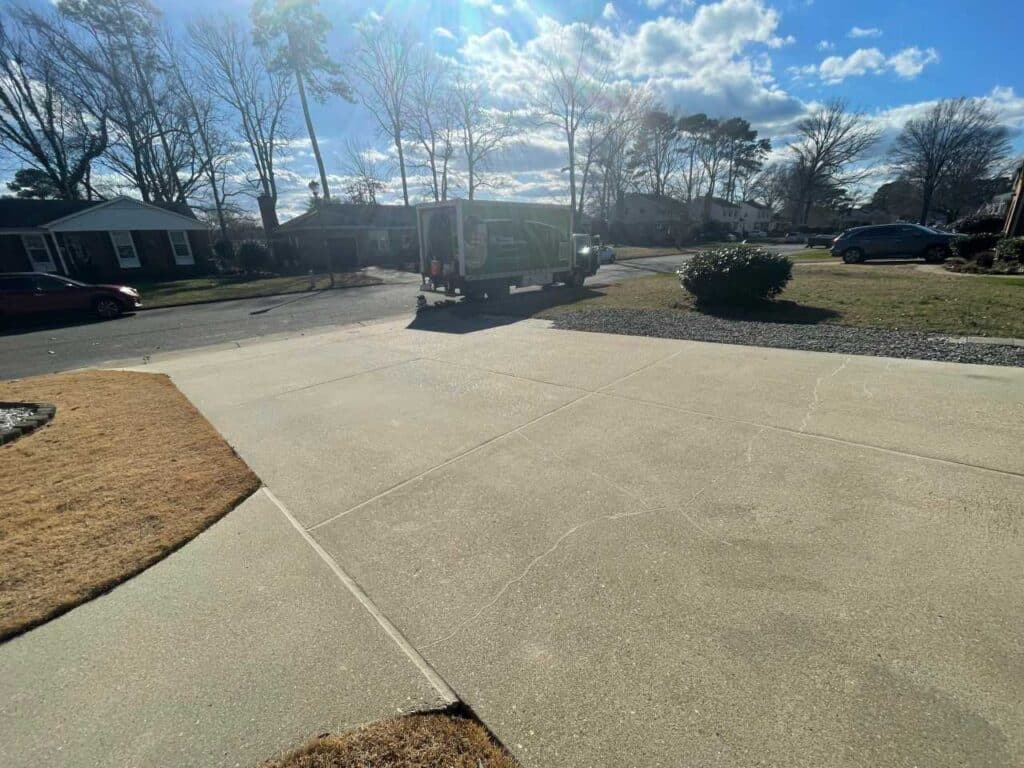
Let’s talk about your driveway. It’s one of those things you see every day, but rarely look at, until something doesn’t feel right.
You back out in the morning, hit a jolt where the slab’s settled. Your kid trips over a crack riding their bike. Rainwater keeps pooling near the garage after a storm. Little stuff. But together, they’re all whispering the same message: “Hey… we’ve got a problem.”
We’re Ogburn Concrete Leveling & Resurfacing. And after 30+ years of working hands-on with concrete in Virginia, we’ve learned to spot the warning signs before a minor issue becomes a major repair bill.
Here’s how you can do the same.
For more information, see When Should You Resurface Or Replace Your Concrete Driveway?

1. Cracks Are Widening or Multiplying
Now, some cracks are normal. Concrete expands, contracts, and reacts to the elements. It’s tough, but not invincible.
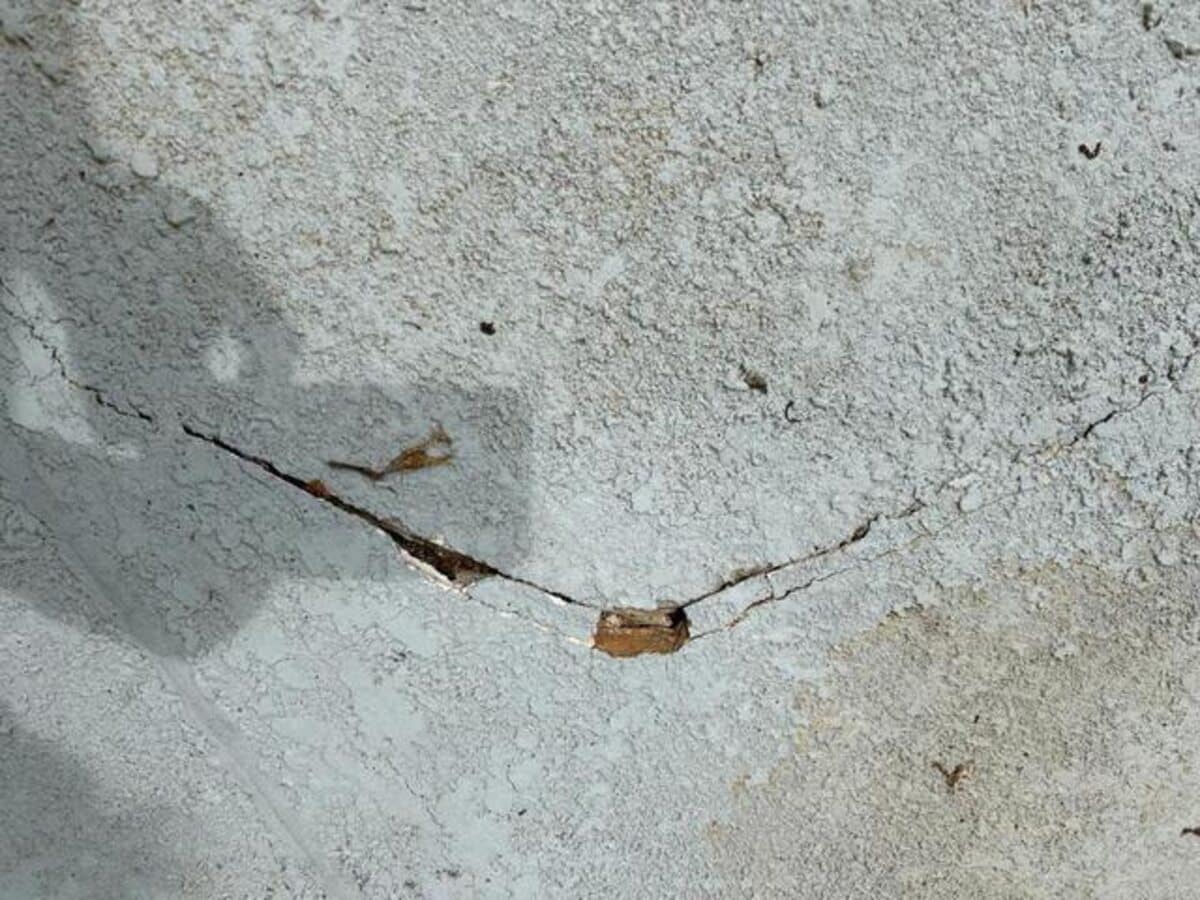
But spiderweb cracks, widening gaps, and cracks that branch out like a roadmap? That’s not just aging. It’s structural stress and shifting underneath.
If left untreated, water will sneak into those cracks, freeze in the winter, and pry them open even more. Before long, you’re not just dealing with a crack, you’re dealing with a compromised slab.
What to watch for:
- Cracks wider than 1/8″
- Cracks forming near joints or slab edges
- Cracks that collect water or weeds
How we fix it: If the slab is still structurally sound, we clean the surface and apply a new overlay. Paired with NexusPro® joint sealant, we block water from getting in and extend your driveway’s life—without ripping anything out.
2. Your Slab Is Sinking or Sloping
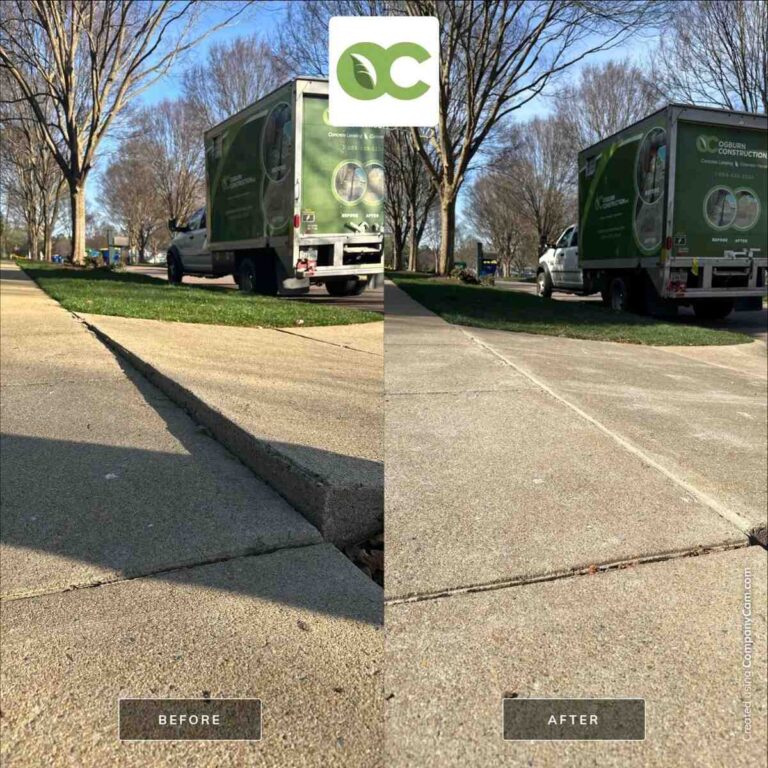
When concrete settles, it doesn’t always do it politely. One side might dip, another might stay put. The result? Uneven driveways, awkward angles, and trip hazards that sneak up on your guests, or your delivery driver.
We’ve seen it all:
- Driveways where one slab looks like it’s taking a nap
- Sections that slope toward the garage, flooding the foundation
- Driveway edges so low, your tires hit them like a speed bump from the street
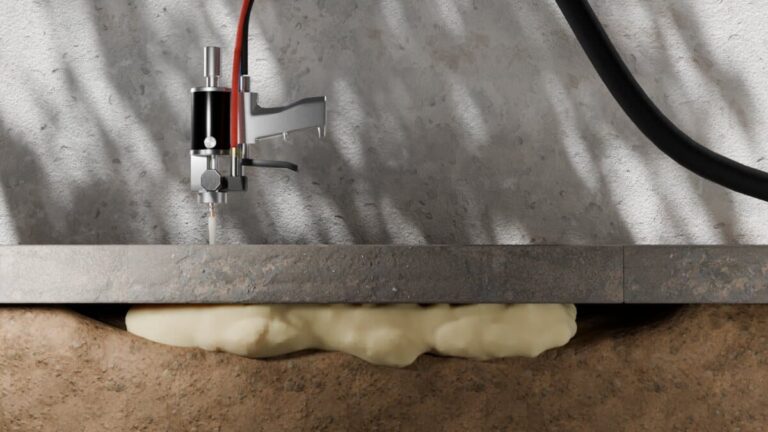
This is a classic sign of sunken concrete caused by voids in the soil underneath. Could be erosion. Could be poor compaction from when the home was built. Doesn’t really matter. What matters is fixing it.
How we fix it: We use PolyLevel® polyurethane foam, a high-density, expanding foam that lifts sunken concrete from below. It’s clean, fast, and cures in 15 minutes. We call it foam jacking, and it’s strong enough to lift 4,800 pounds per square foot.

3. Your Driveway Looks Like a Patchwork Quilt
We get it. Not everyone calls a pro the first time a crack appears. Maybe you tried a little patchwork. Maybe more than once. Before you know it, the driveway looks like a mix of old concrete, caulk lines, and DIY touch-ups.
Cosmetically, it’s not great. But more importantly, these inconsistent patches don’t always bond well. They can lift, peel, or break off, especially in high-traffic areas.
When this happens, it’s time for a reset. A resurfacing project brings back the uniform, smooth finish your driveway had when it was first poured, without the cost of a full replacement.
4. Pitting, Flaking, and Surface Wear
Concrete is tough, but even tough things wear down. De-icing salts, freeze-thaw cycles, and UV exposure can slowly erode the top layer of your driveway. You’ll start to see:
- Pitting (tiny holes across the surface)
- Flaking (thin layers peeling off)
- Discoloration or blotchy finish
When the surface goes, it’s like losing your armor. The concrete becomes more porous, so water and grime settle in deeper, speeding up the damage.
How we fix it: Our resurfacing options restore both strength and curb appeal. We smooth out the damaged surface, prep it, and overlay it with a durable finish that resists future wear. Want to kick it up a notch? Ask us about decorative resurfacing like Vuba Stone overlays. They’re tough enough to drive on, gorgeous enough for any front yard.

5. Pooling Water or Drainage Issues
Water always finds the path of least resistance and sometimes that path is your driveway.
If you’re noticing standing water after it rains, or puddles that weren’t there last year, your driveway may be sloping the wrong way. Even a small shift in the slab can send water where it shouldn’t go …toward your garage, under your home, or into the seams of the concrete.
This isn’t just a nuisance. Water that collects and seeps into cracks can widen them, weaken the soil underneath, and lead to more settling.
How we fix it: We lift the low points with PolyLevel, seal the cracks with NexusPro, and resurface if needed. This restores both function and slope, sending water where it belongs: away from your home.
6. Trip Hazards at Slab Joints
Here’s one that sneaks up on folks: raised or sunken slab joints.
If one section of your driveway is half an inch higher than the one next to it, that’s a tripping hazard, and a liability. These uneven spots don’t just look bad; they’re accidents waiting to happen. If your walkway or sidewalk connects to your driveway, you’ve got even more areas to watch.
This is sidewalk lifting territory, and yes, we handle that too.
How we fix it: Foam jacking again. PolyLevel can bring those joints back to flush in minutes, without jackhammers or demolition. And when we seal the seams afterward, we lock out water to prevent the problem from coming back.

7. It Just Looks… Tired
Sometimes, the biggest sign is also the simplest: your driveway just looks worn out. Faded color. Stains that won’t wash off. That “dusty gray” look from too many hot summers and cold winters.
A worn-out driveway brings down your curb appeal, and by extension, your property value. If you’re thinking about selling, or just tired of being the “before photo” on the block, resurfacing gives you the look of a brand-new driveway, without the full replacement cost.
We can even upgrade the finish with color tints, textures, or stone-like overlays using Vuba Stone for a surface that lasts 20–25 years with minimal upkeep.
Here’s Our 3-Step Plan for Driveway Resurfacing
At Ogburn, we keep it simple:
Step 1: Free Driveway Inspection
We evaluate the slab, slope, cracks, and surface wear. You’ll get a straightforward diagnosis and explanation of what’s going on.
Step 2: Custom Repair Plan
We create a plan that might include foam lifting, crack sealing, and resurfacing, whatever your driveway needs to look great and stay solid.
Step 3: Efficient, Professional Repair
Most driveway jobs are done in a single day. You can walk on it the same day, and drive on it the next. We’ll leave it cleaner than we found it.

Final Thought: If You’re Seeing Signs, Don’t Wait
Concrete problems don’t fix themselves. A small crack becomes a big one. A little dip turns into a drainage issue. And a “meh” driveway starts pulling down your home’s curb appeal.
But with professional resurfacing and leveling, we can turn that worn, weathered driveway into something solid, safe, and stunning. One clean, efficient visit. No mess. No stress.
Ready to stop guessing and start fixing? Schedule your free driveway inspection today. We’ll show you exactly what’s happening and how to fix it before it gets worse.